In today’s fast‑moving business world, handling mail quickly and cost‑effectively is essential. Whether you’re running a small online store, a busy office, or a direct‑mail campaign, postage meters can streamline your mailing process, save you money, and boost efficiency. But what exactly are postage meters — and how do they benefit your business? Let’s break it down.
What Is a Postage Meter?
A postage meter (also known as a mailing meter) is a specialised device used to print postage directly onto envelopes or labels — eliminating the need for traditional stamps. Instead of buying sheets of stamps or lining up at the post office, your mail gets a professional postage mark right from your own office.
Postage meters are typically leased from a provider rather than bought outright, and the cost of postage is deducted from an account linked to the machine.
How Postage Meters Work
Modern postage meters connect to a secure postal service network that verifies and authorises postage in real time. When you feed an envelope or label into the machine:
-
The meter prints postage value based on weight and destination.
-
The postage information is logged to your account so the provider knows how much to charge.
-
Mail is ready to go — no stamps required.
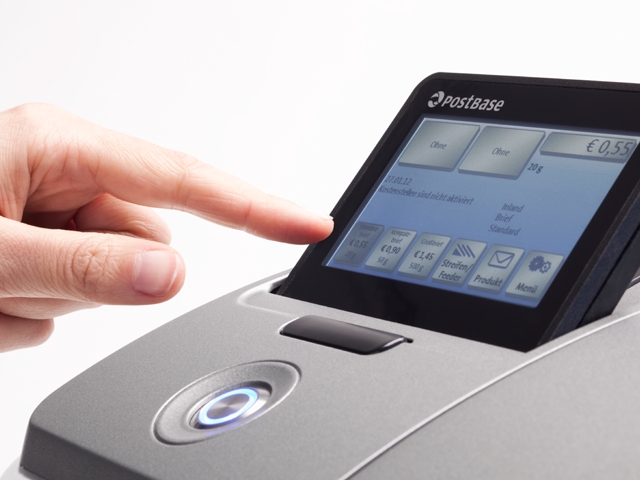
Some machines are basic, for light office use, while others include scales, automatic feeders, and advanced controls for high‑volume mail processing.
Top Benefits of Using a Postage Meter
✉️ 1. Saves Time & Hassle
No more hand‑sticking stamps or travel to the post office. Postage meters let you prepare mail in‑house, often in bulk.
💰 2. Reduces Mailing Costs
Postage meters often qualify businesses for discounted postal rates compared to buying standard stamps, especially for bulk mailings.
📊 3. Professional Appearance
Mail sent with a postage meter has a crisp, custom printed mark, giving your business mail a more professional and consistent look.
📈 4. Tracking & Reporting
Because postage usage and costs are logged digitally, you can easily keep track of expenses and analyse mailing trends for budgeting or tax purposes.
Choosing the Right Postage Meter for Your Business
Not all postage meters are the same. When choosing one, consider:
-
Mail volume: Do you send daily mail or occasional batches?
-
Features: Do you want added components like a built‑in scale or automated feeder?
-
Budget: Leasing plans vary — from basic low‑cost meters to higher‑end systems with automation.
-
Support: Look for providers that offer setup help, training, and customer service.
Leasing is the most common option in many countries — not only because federal postal regulations often require it, but also because it keeps your machine up to date without major upfront expenses.
Postage Meter Tips for Better SEO & Business Visibility
If you’re writing about postage meters on your business blog, here are some SEO tips to help your post rank:
-
Use relevant keywords like “postage meters for small business,” “mailing machines,” and “how postage meters work.”
-
Include clear headings and subheadings to help search engines understand your content.
-
Answer common questions real users might search for — the “what,” “why,” and “how.”
-
Link to other useful pages on your site (internal links) to improve engagement.
Providing helpful, well‑structured posts can boost organic traffic and build trust with readers who are researching postage solutions.
Final Thoughts
If your business regularly sends mail — whether invoices, packages, marketing materials, or client correspondence — a postage meter can save you time and money while adding a professional edge to your mail. By understanding how postage meters work and choosing the right machine for your needs, you’ll streamline operations and keep postage costs under control.