In high-volume fulfillment, packaging costs can quietly erode your margins. Between purchasing bubble wrap, packing peanuts, and custom void fill, the expenses add up fast. But what if the solution to your packaging supply problem was already sitting in your recycling bin?
Compact, industrial-grade cardboard shredders are changing the game for modern warehouses and fulfillment centers. By converting incoming shipping boxes into high-quality, shock-absorbing void fill, businesses are simultaneously slashing procurement costs and hitting their sustainability goals.
The Anatomy of Waste Conversion: How It Works
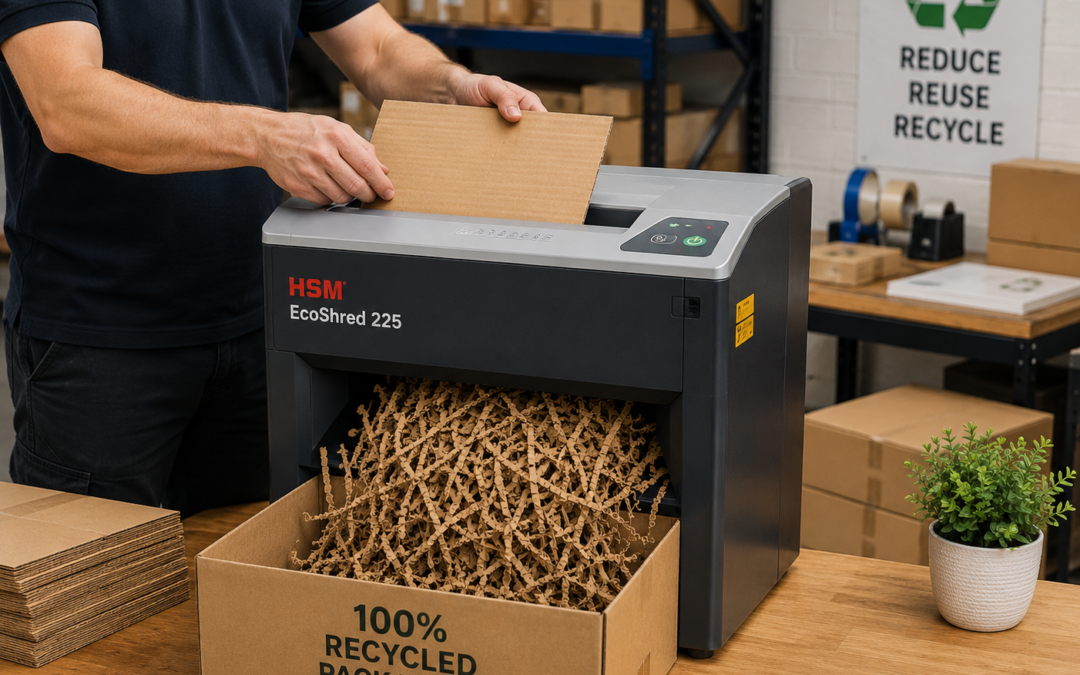
A professional cardboard shredder doesn’t just cut paper; it re-engineers it. Standard units process heavy-duty corrugated board and output a flexible, latticed matting or high-density strips.
-
Perforated Matting: The machine scores and expands the cardboard, creating a flexible, shock-absorbing grid. This matrix easily wraps around fragile items, mirroring the protective qualities of plastic bubble wrap.
-
High-Volume Cushions: The expanded mesh can be crumpled or layered to fill large empty spaces in shipping containers, preventing product shifting during transit.
The Three-Fold ROI of On-Demand Void Fill
Investing in a dedicated tabletop or freestanding shredder offers clear, measurable advantages for the bottom line.
1. Drastic Reduction in Packaging Procurement
Instead of ordering bulk quantities of plastic air pillows or paper dunnage, you produce your own padding on demand. For busy operations, eliminating the recurring cost of traditional void fill allows the equipment to pay for itself in a matter of months.
2. Reclamation of Warehouse Space
Bulk packaging materials take up massive amounts of physical square footage. Storing pallets of bubble wrap or giant bags of packing peanuts limits your storage for actual, revenue-generating inventory. A cardboard shredder lets you store less material and create what you need, exactly when you need it.
3. Concrete Sustainability
Modern commercial operations face increasing pressure to reduce single-use plastics. Repurposing cardboard extends the lifecycle of a material that is already on-site, keeping plastic out of the supply chain and showing clients a visible, practical commitment to eco-friendly practices.
Integrating Cardboard Shredding into Your Workflow
Maximizing efficiency requires setting up a streamlined “closed-loop” station within your fulfillment area.
-
The Intake Station: Designate a specific bin near your unboxing or receiving dock for clean, tape-free cardboard.
-
The Processing Zone: Position the shredder adjacent to your main packing benches. This ensures that packers can instantly generate the precise amount of void fill required for an order without leaving their stations.
-
Dust Management: Opt for high-quality units engineered with integrated dust-extraction capabilities to keep the workspace clean, safe, and professional.
Bottom Line: From Expense to Asset
Every piece of cardboard entering your facility has already been paid for. Leaving it to pile up for bulk recycling pickup means you are paying to have an asset hauled away, only to buy synthetic packaging to replace it. By bringing a compact shredding system into your workflow, you transform a costly waste stream into an efficient, protective asset.