
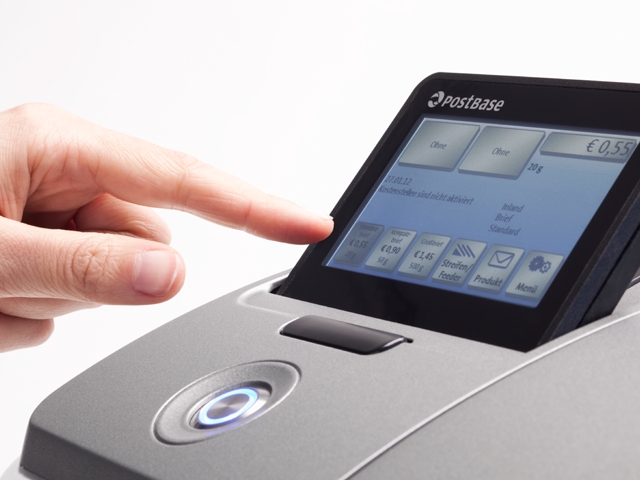
In today’s fast-paced business world, efficiency is key—even when it comes to mailing letters and packages. A postage meter is a small but powerful device that can save time, reduce costs, and make mail management much simpler.
What Is a Postage Meter?
A postage meter is a machine that prints postage directly onto envelopes or labels, eliminating the need to manually stick stamps on every item. These devices connect to postal services, automatically calculating postage costs based on weight and destination, making mailing faster, more accurate, and more professional.
Postage meters are commonly used in offices, e-commerce businesses, and mailrooms that handle high volumes of letters or packages.
Types of Postage Meters
There are different types of postage meters to suit various business needs:
-
Mechanical Postage Meters – Older, manual devices that require physical adjustments for postage amounts. Rarely used today.
-
Digital Postage Meters – Modern, automated machines that calculate postage electronically and can print directly on envelopes or labels.
-
Online or Cloud-Based Postage Services – Software solutions that allow businesses to print postage from a computer or integrate with shipping platforms.
Benefits of Using a Postage Meter
-
Time-Saving
No more manually weighing letters or sticking stamps—postage meters streamline the mailing process, allowing businesses to handle larger volumes efficiently. -
Cost-Effective
Many postal services offer discounted rates for postage meter users, helping businesses save on mailing costs. -
Professional Appearance
Postage printed directly on envelopes looks neat and professional, creating a positive impression for clients and customers. -
Accuracy
Postage meters automatically calculate the correct postage for letters and parcels, reducing the risk of underpayment or overpayment. -
Tracking and Reporting
Some postage meters offer tracking features and detailed reports on mailing history, which is useful for budgeting and record-keeping.
How to Choose the Right Postage Meter
When selecting a postage meter, consider:
-
Mailing volume – High-volume offices need faster, heavy-duty machines, while small offices may use compact models.
-
Connectivity – Digital and cloud-based meters integrate easily with computers, e-commerce platforms, and online postage services.
-
Features – Some machines include automatic weighing, label printing, and tracking.
-
Ease of use – User-friendly interfaces and easy maintenance save time and reduce errors.
Tips for Efficient Mailing
-
Regularly update the postage rate settings to stay compliant with postal rules.
-
Maintain the machine and keep it clean to prevent jams or misprints.
-
For high-volume mail, batch letters by size and weight to speed up processing.
-
Train staff to use the meter correctly to avoid mistakes and wasted postage.
Conclusion
A postage meter is more than a convenience—it’s an essential tool for businesses that want to save time, reduce costs, and maintain a professional image. Whether you’re sending hundreds of letters a week or managing an e-commerce operation, a postage meter streamlines the process and ensures that your mail is handled efficiently and accurately.